


FACTS Fight Fentanyl toolkit
Toolkit Highlight
Stigma & Substance use
Using Recovery-Oriented Language
Recovery-oriented language focuses on dignity, respect, and empowerment. It avoids labels, stigma, and judgement, and instead centers people’s strengths, autonomy, and lived experience. Below is a guide to preferred language that supports hope, inclusion, and recovery.
What Not to Say & What to Say Instead
1.
Avoid Labels and
Identity-based Statements
Don’t say:
-
“They are mentally ill.”
-
Define someone by their struggle, diagnosis, or distress.
-
Equate a person’s identity with a mental health condition.
Instead, say:
-
“A person with a mental health condition.”
-
“A person who has been diagnosed with…”
-
“A person diagnosed with…” (This centers the diagnosis on the clinician rather than the individual.)
2.
Avoid Focusing on Limitations
Don’t:
-
Emphasize what’s “wrong.”
-
Focus on deficits or problems.
Do:
-
Emphasize strengths, abilities, skills, and passions.
-
Highlight resilience and progress.
Avoid Condescending, Discriminatory, or Patronizing Language
3.
Don’t:
-
Use intimidating, judgemental, or discriminatory language.
-
Make assumptions based on appearance or communication style.
-
Sensationalize mental illness or use phrases like “afflicted with,” “suffers from,” or “is a victim of.”
-
Portray people with mental health conditions as “superhuman” or extraordinary because they succeed despite challenges.
Do:
-
Use language that conveys hope and optimism.
-
Promote a culture of recovery and empowerment.
Avoid Assuming Preferred Terms or Titles
4.
Don’t:
-
Assume someone prefers “client,” “consumer,” or any specific title.
Do:
-
Ask how they would like to be addressed first name, family name, or another name they identify with.
5.
Avoid Medical Jargon Without Explanation
Don’t:
-
Use specialist clinical language without clarification.
Do:
-
Ensure information is understandable regardless of age, culture, or cognitive needs.
Avoid Assuming a Person Feels Safe or Comfortable
6.
Don’t:
-
Assume silence means comfort — especially in virtual settings where others may be present.
Do:
-
Ask whether the environment works for them.
-
Offer alternatives: private room, outdoor meeting, digital options, etc.
Avoid Negative or Judgmental Language
7.
Don’t:
-
Use words that reinforce stigma or hopelessness.
Do:
-
Use hopeful, positive, person-first language that encourages empowerment.
Citation
Recovery-Oriented Language content adapted from:
Recovery-Oriented Language Guide (3rd Edition).
Available at: https://www.scribd.com/document/703130584/Recovery-Oriented-Language-Guide-3rd-Edition
Mini Story Series
The Stigma of Addiction
What causes opioid addiction, and why is it so tough to combat
Understanding Stigma: Educational Posters


Youth Conversation Starter
Start a Conversation
Teens listen best when they feel heard.
-
Ask questions like: “What have you heard about fentanyl?”
-
Listen more than you talk.
-
Avoid scare tactics; focus on facts and safety.
-
Use “I” statements: “I care about you and want you to be safe.”
Share the Facts
Help teens understand real risks.
-
Fentanyl is extremely strong, and even a tiny amount can cause an overdose.
-
It’s often mixed into fake pills or powders without people knowing.
-
You can’t see or taste fentanyl—there’s no way to tell if something contains it.
Explain the Danger
Make the risks easy to understand.
-
Fentanyl can be in pills bought from friends or online.
-
One pill may be fine; the next could be deadly.
-
Using drugs alone is especially risky no one is there to help.
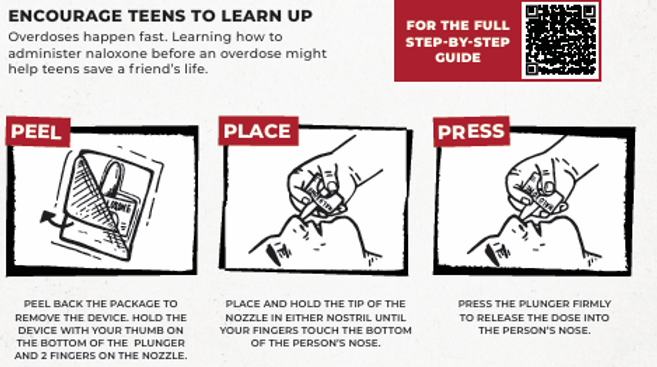
Talk About Naloxone
Naloxone can reverse an opioid overdose.
-
It’s safe, easy to use, and only works on opioids.
-
Anyone can carry it—think of it like a safety tool.
-
Encourage teens to know where to get it and to carry it if needed.
You can say: “I’d rather you have it and never need it than need it and not have it.”
Look Out for Each Other
Encourage teens to help keep friends safe.
-
Don’t leave someone who might be overdosing.
-
Call for help if someone is hard to wake or not breathing.
-
Plan ahead at gatherings: Who has naloxone? Who will call for help?
Call for Help
Naloxone can revive a person, but medical care is still needed.
-
Call 911 every time.
-
Explain Good Samaritan laws that protect people who seek help during an overdose (customize for your state).
-
Emphasize that saving a life matters more than breaking a rule.
Keep the Conversation Open
Let teens know they can always come to you.
-
“If you ever have questions or feel unsure, I’m here.”
-
“We can look up information together.”
Provide links for:
-
Local naloxone access
-
Facts about fentanyl
-
Youth overdose prevention tools