FACTS Fight Fentanyl toolkit
Toolkit Highlight
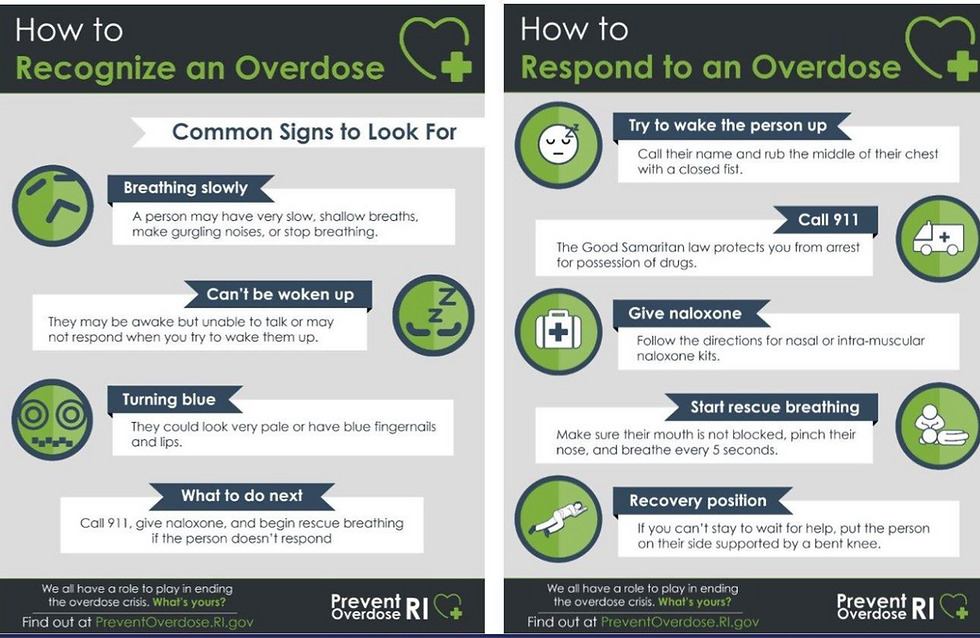
How to Spot & Respond to an Overdose
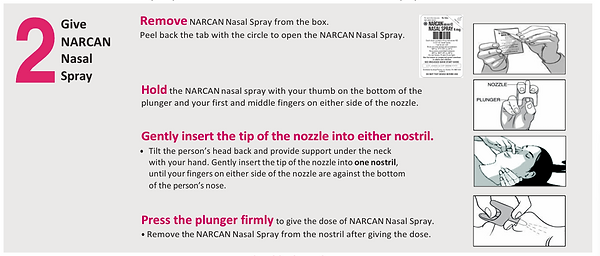
3-Step Overdose Response


Training Videos
Be the first to respond
THE TRUTH ABOUT OPIOID EMERGENCIES
Youth & Family Discussion Guide
Youth Overdose Education
(Source: StopOverdose.org)
Understanding Overdose and How to Help
This section was created to give young people facts, confidence, and tools to recognize and respond to an overdose and to understand California’s Good Samaritan Law, which protects anyone who calls for help during an overdose emergency.
Overdose deaths among youth have increased across the country. Like any other health emergency, it’s important to know how to prepare and respond because quick action can save a life.
Why Youth Education Matters
Young people may use opioids for different reasons stress, social pressure, curiosity, or mental health challenges.
Understanding why people use substances helps create honest conversations about safety, mental health, and support.
When youth learn how to recognize and respond to an overdose, they reduce their risks and can help protect friends, classmates, and family members.
Fentanyl and Young People
Most youth overdoses today involve fentanyl, a powerful synthetic opioid often found in counterfeit pills and powders that look like real medications.
Even a small amount can cause overdose, and because it acts so fast, it’s easy to become dependent without realizing it.
💬 Learn more: Tips for Talking with Teens About Fentanyl
What Youth Should Know
Overdose education helps young people know how to stay safe and take action.
It should include:
-
Overdose risks, especially involving fentanyl
-
Warning signs of overdose
-
How to respond and use naloxone (Narcan)
-
Where to get naloxone
-
California’s Good Samaritan Law, which protects anyone who calls 911
-
How to find help through harm reduction, treatment, or mental health services
Learning these basics gives young people the confidence to act and help save a life.
Parent & Caregiver Resources
Parents and trusted adults play a key role in prevention.
The Talk Even If campaign provides guidance for starting real conversations about fentanyl and overdose.
Even when it’s uncomfortable, these talks make a difference — and can save lives.
Tips for Talking About Overdose
-
Ask and listen without judgment.
-
Emphasize safety — this information can help save lives.
-
Be supportive — focus on help and understanding.
Building on Prevention
Talking about overdose prevention opens doors to bigger topics — mental health, managing stress, and safe medication use.
With education, empathy, and open dialogue, we can build a safer, more informed community for youth and families.
💡 Learn More & Get Involved
-
Talk Even If – Parent Resources
-
Find Naloxone Near You
-
Explore Youth Toolkits
Social Media